Zero Harm Is a Dangerous Myth—The Drive to “Zero Accidents” Leads to Underreporting and Complacency
The Problem With “Zero Harm”
In the world of workplace safety, few slogans are as ubiquitous (and as polarizing) as “Zero Harm” or “Zero Accidents.” You’ll see it plastered on posters, safety meeting slides, company vision statements, and even corporate sustainability reports. The message sounds inspiring: commit to zero incidents, zero injuries, zero fatalities. It feels noble, aspirational, and worker‑focused.
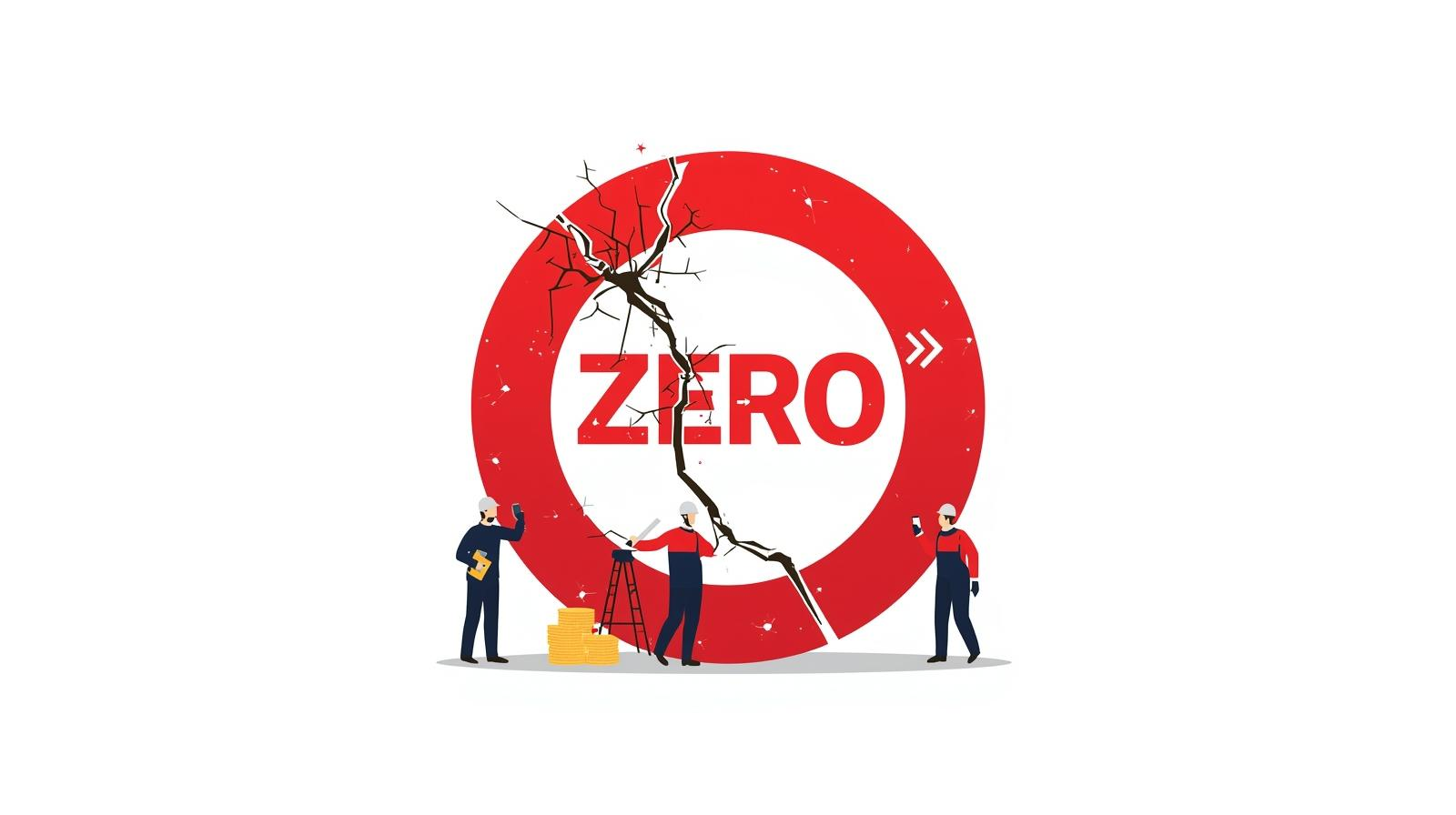
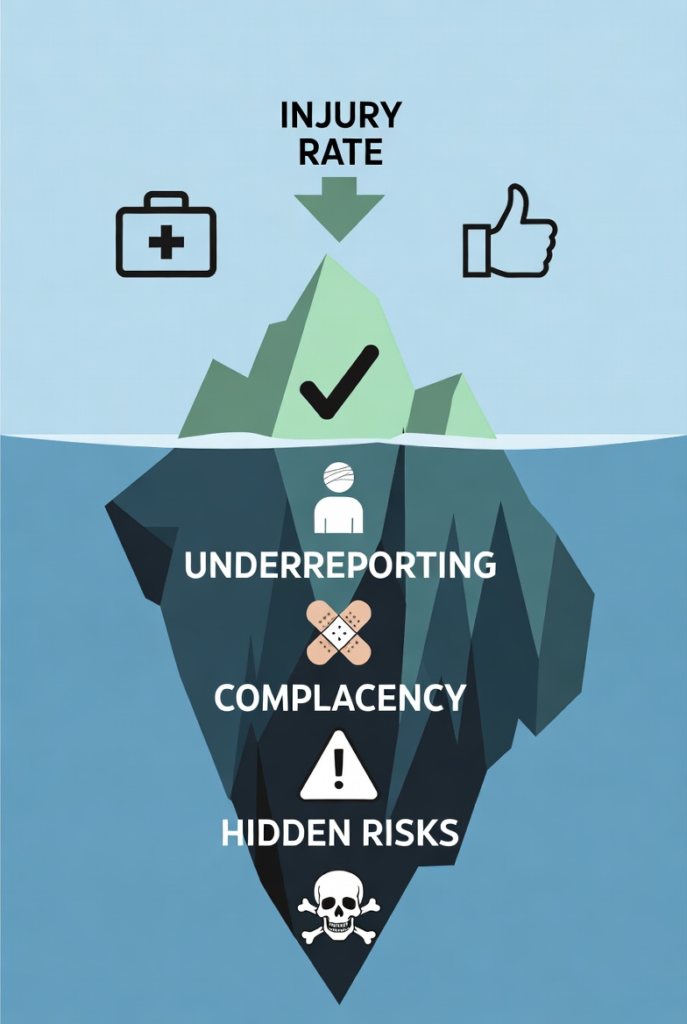
But here’s the truth: Zero Harm isn’t just unrealistic, it can be dangerous. When organizations treat zero as a hard target rather than an aspirational ideal, it often backfires, fostering underreporting, breeding complacency, and creating a false sense of security that blinds leaders to real risks. Far from making workplaces safer, the relentless pursuit of zero can make them more hazardous.
Why “Zero” Sounds So Good
On the surface, zero makes perfect sense. Safety professionals know that many incidents are preventable through engineering controls, training, procedures, and a strong safety culture. Setting the bar at zero pushes organizations to innovate, invest in prevention, and hold people accountable. Supporters argue it’s a mindset shift: if we accept harm as inevitable, we stop striving for excellence.
Some industries, like healthcare, have adopted “zero preventable harm” initiatives and credit them with cultural improvements and reduced errors. Advocates say it’s about relentless progress, not literal perfection.
Yet even supporters acknowledge the goal is impossible in a literal sense—humans make errors, systems fail, and work involves inherent risks. The real problem arises when zero stops being a guiding star and becomes a performance metric tied to bonuses, leaderboards, or public reporting.
The Dark Side of Zero: Underreporting and Distorted Data
One of the most consistent criticisms from safety experts is that zero targets incentivize hiding problems. When the scoreboard reads “Days Without Incident,” workers and supervisors feel pressure to keep it that way. Minor injuries get “treated on site” without formal reporting, near‑misses go unspoken, and hazards get downplayed.
Safety theorist Sidney Dekker has called this out repeatedly. In organizations chasing zero, reporting gets distorted because people hide results to maintain the illusion that zero is possible. This leads to “safety theater”, looking good on paper while real risks accumulate.
Investigations back this up. The U.S. Chemical Safety Board has pointed to cases where strong zero‑harm messaging created a dangerous illusion of safety, with workers hiding issues and developing risky workarounds. Research in construction and other high‑risk industries shows no clear evidence that zero‑focused companies have better outcomes for serious injuries and fatalities, sometimes the opposite, as minor issues are suppressed while major risks go unaddressed.
Underreporting isn’t just anecdotal. When fear of breaking a streak or facing blame enters the picture, employees hesitate to speak up. This deprives organizations of the data needed for learning – near‑misses are gold for prevention, but if they’re not reported, patterns stay hidden until a serious incident occurs.
Complacency: The Silent Threat
Even when numbers stay low, zero can breed complacency. A long streak of “zero incidents” creates a false sense of security: “We’ve got this figured out.” Workers and leaders relax vigilance, overlook warning signs, and assume the system is foolproof.
This is especially risky in dynamic environments like manufacturing, construction, or utilities, where conditions change daily. Dekker warns that focusing on zero often prioritizes easy‑to‑count minor incidents over rare but catastrophic risks. You drive injury rates down by chasing slips and trips, but process safety hazards or emerging threats slip through the cracks.
The result? Organizations celebrate green dashboards while blind to brewing disasters. The question to ask: when all your metrics are green, are we good or are we lucky?
A Better Path: Safety Differently and Honest Learning
We don’t need to abandon high safety ambitions—we need to rethink how we pursue them.
Safety Differently, championed by thinkers like Dekker and Erik Hollnagel, flips the script: safety isn’t the absence of bad outcomes; it’s the presence of positive capacities—adaptability, resilience, and everyday success. Instead of obsessing over zero negatives, focus on why things go right 99.9% of the time and amplify that.
Practical alternatives include:
- Emphasizing leading indicators such as near‑miss reporting, hazard observations, and safety conversations.
- Building psychological safety so reporting is rewarded, not punished.
- Setting realistic, meaningful goals like reducing serious injury rates or increasing near‑miss reporting.
- Focusing on systems, not individuals, and investigating root causes without blame.
Zero as an Aspiration—Not a Target
Zero Harm can be a powerful vision if framed as an ideal that drives continuous improvement and compassion. But when it becomes a rigid target that pressures people to hide truth, it undermines the very culture it aims to build.
True safety comes from openness, learning, and realism—not from pretending perfection is achievable. It’s time to retire the myth that zero is the ultimate measure of success. Instead, measure safety by how honestly you confront risks, how quickly you learn, and how resilient your workplace becomes.
What do you think, has “Zero Harm” helped or hurt safety in your experience? Share your thoughts below.