How to Create an Effective Lockout/Tagout Program
Lockout/Tagout (LOTO) is one of the most critical safety programs in any facility that uses machinery, equipment, or systems with hazardous energy. When LOTO is done right, employees can service and maintain equipment with confidence that it will not start unexpectedly or release stored energy. When it’s done wrong—or not done at all—the consequences are often life‑changing or fatal.
This guide walks through how to build a comprehensive, OSHA‑compliant, and practical Lockout/Tagout program that works in the real world, not just on paper.
1. Understand the Purpose and Scope of LOTO
An effective LOTO program starts with clarity: what it covers, who it protects, and when it applies.
Purpose:
- Prevent unexpected startup or release of stored energy during servicing and maintenance
- Protect employees from serious injuries such as amputations, crushing, electrocution, and burns
Scope: Your program should clearly define:
- What equipment is covered:
- Machines, process lines, conveyors, mixers, presses, pumps, HVAC units, etc.
- Electrical panels, valves, hydraulic systems, pneumatic systems, mechanical drives
- When LOTO is required:
- When removing or bypassing guards
- When placing any part of the body in a danger zone
- During maintenance, cleaning, unjamming, or repair
- When servicing where unexpected startup could occur
- What is not covered:
- During normal production operations where alternative protection is used (if allowed and justified)
- Cord‑and‑plug equipment under specific conditions
For more information on hazard identification, read Hazard Identification Made Simple: Recognizing Risks Before They Become Incidents
2. Identify All Hazardous Energy Sources
You can’t control what you haven’t identified. A strong LOTO program begins with a thorough energy source inventory.
Types of hazardous energy:
- Electrical: live circuits, stored energy in capacitors
- Mechanical: moving parts, springs, counterweights, flywheels
- Hydraulic: pressurized fluid in lines, cylinders
- Pneumatic: compressed air, gas systems
- Thermal: hot surfaces, steam, heated fluids
- Chemical: pressurized or reactive chemicals
- Gravitational: elevated loads, raised equipment
Practical steps:
- Walk each area with maintenance, operators, and supervisors
- Review P&IDs, electrical one‑lines, and equipment manuals
- Create an equipment list with:
- Equipment ID
- Location
- Energy sources
- Isolation points
This inventory becomes the backbone of your machine‑specific LOTO procedures.
3. Develop Written Energy Control Procedures
OSHA requires written, machine‑specific energy control procedures for equipment with more than one energy source or where unexpected startup could cause harm.
Each procedure should clearly describe:
- Purpose and scope
- What the procedure applies to (specific machine or system)
- Authorized employees
- Who is allowed to perform lockout
- Energy sources and isolation points
- Main disconnects, valves, breakers, plugs, blocks, etc.
- Step‑by‑step shutdown process
- How to safely stop the machine before isolation
- Isolation steps
- Which devices to operate (e.g., open valve, open disconnect, apply block)
- Application of lockout/tagout devices
- Where locks and tags are placed
- Type of lockout devices used (hasps, valve covers, breaker locks, etc.)
- Release of stored energy
- Bleeding pressure, discharging capacitors, blocking movement, lowering loads
- Verification of isolation
- Try‑start attempts
- Testing for zero energy (e.g., voltage testing, pressure gauges)
- Restoring equipment to service
- Removing tools and materials
- Ensuring guards are in place
- Clearing personnel
- Removing locks/tags in a controlled sequence
- Re‑energizing and testing
Format tips:
- Use photos or diagrams of isolation points
- Use numbered steps and simple language
- Keep procedures at the point of use (laminated at the machine or digital access)
4. Define Roles: Authorized, Affected, and Other Employees
Your program must clearly define who does what.
Authorized employees:
- Perform lockout/tagout
- Apply and remove locks and tags
- Perform servicing and maintenance
- Must be fully trained on energy sources and procedures
Affected employees:
- Operate or use equipment being locked out
- Work in areas where LOTO is performed
- Need to understand:
- What LOTO is
- When equipment may be unavailable
- That they must never remove someone else’s lock or attempt to restart locked‑out equipment
Other employees:
- Work in the facility but are not directly involved
- Need general awareness of LOTO and warning signs
5. Select and Standardize Lockout/Tagout Devices
Your devices must be durable, standardized, and identifiable.
Locks:
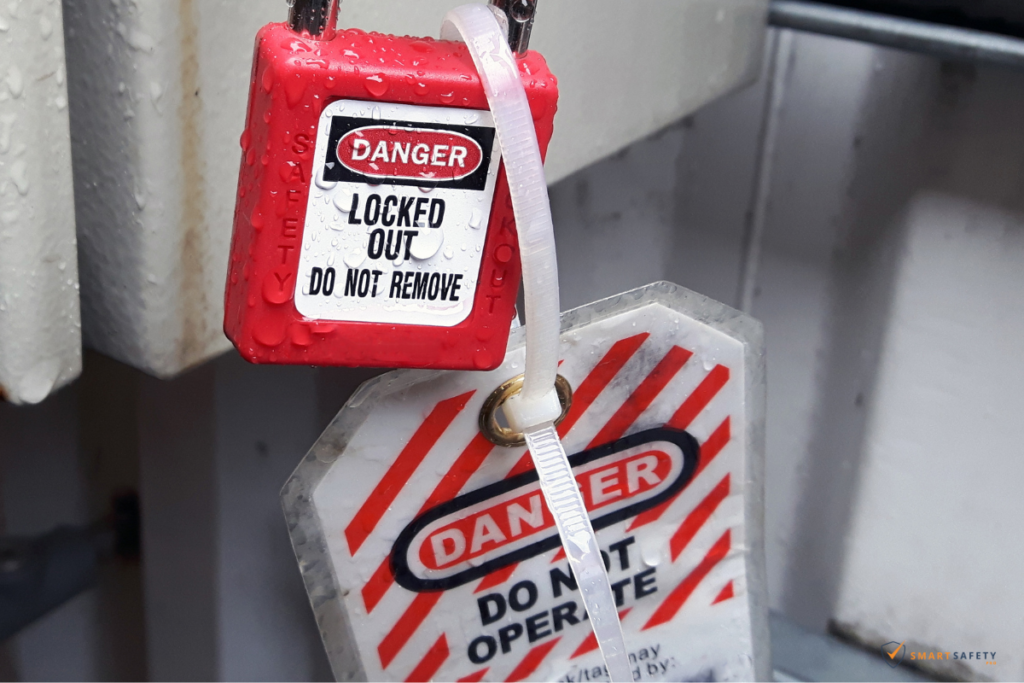
- One key per lock (no shared keys)
- Unique color or style for LOTO (not used for toolboxes, gates, etc.)
- Labeled with employee name and contact info
Tags:
- Durable, legible, and securely attached
- Include:
- “Do Not Operate” or similar wording
- Name of the person who applied it
- Date and reason for lockout
Lockout devices:
- Breaker lockouts
- Valve lockouts (ball, gate, butterfly)
- Plug lockouts
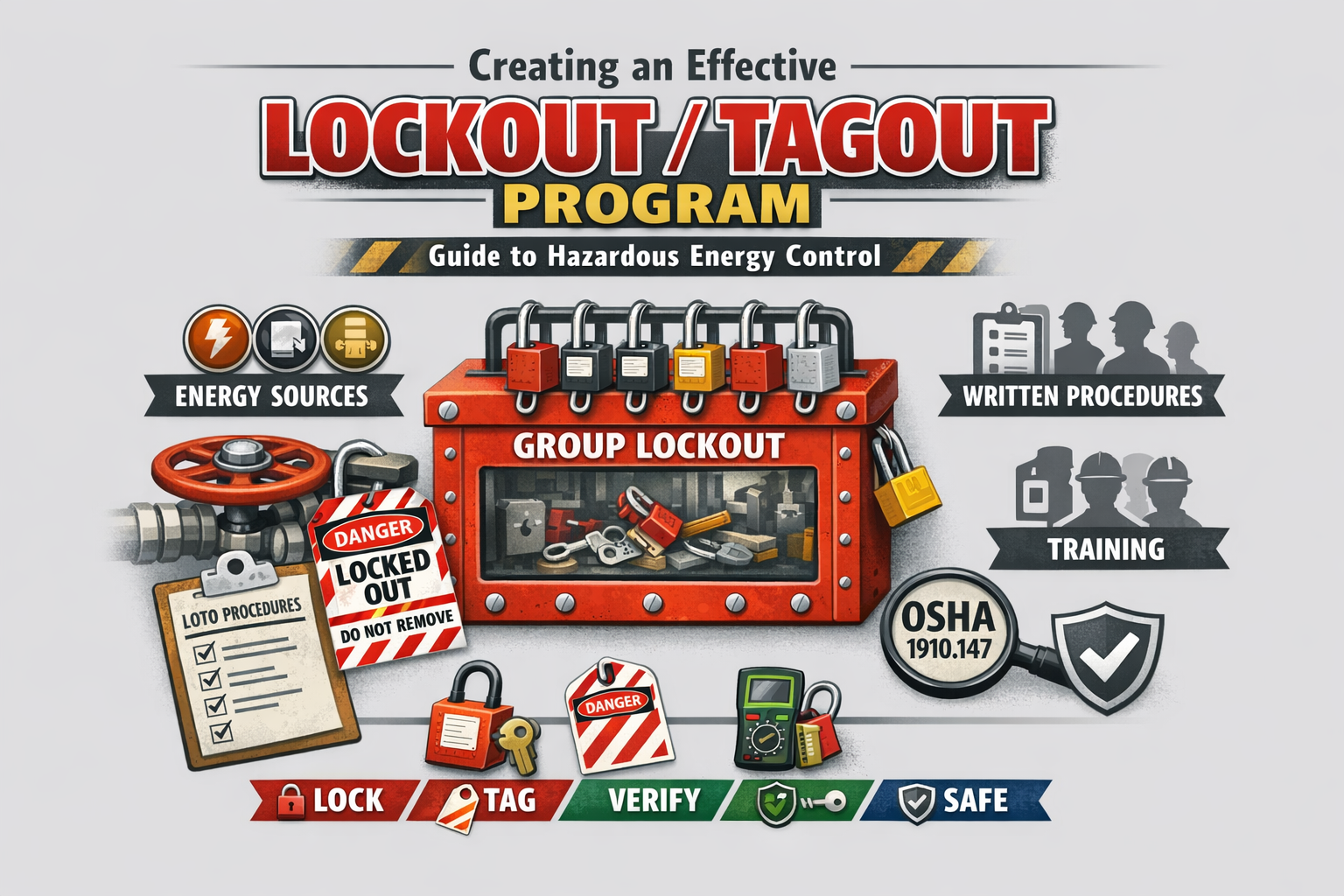
- Hasps for group lockout
- Cable lockouts for multiple points
Standardization reduces confusion and supports consistent application across the facility.
6. Build a Robust LOTO Training Program
Training is where your program becomes real for employees.
Training for authorized employees:
- Recognition of hazardous energy sources
- Type and magnitude of energy in their work area
- Detailed steps of energy control procedures
- How to apply, verify, and remove lockout devices
- Group lockout procedures
- Shift change and handoff requirements
- Special situations (testing, troubleshooting, contractors)
Training for affected employees:
- Purpose and basic concepts of LOTO
- When LOTO is used
- Prohibition on restarting or tampering with locked‑out equipment
- How they will be notified of lockout activities
Training for other employees:
- General awareness of LOTO
- Meaning of locks and tags
Refresher training triggers:
- Changes in job assignment
- Changes in equipment or processes
- Observed deficiencies during inspections
- After incidents or near misses involving LOTO
7. Implement Group Lockout Procedures
Many real‑world tasks involve multiple employees or multiple crews.
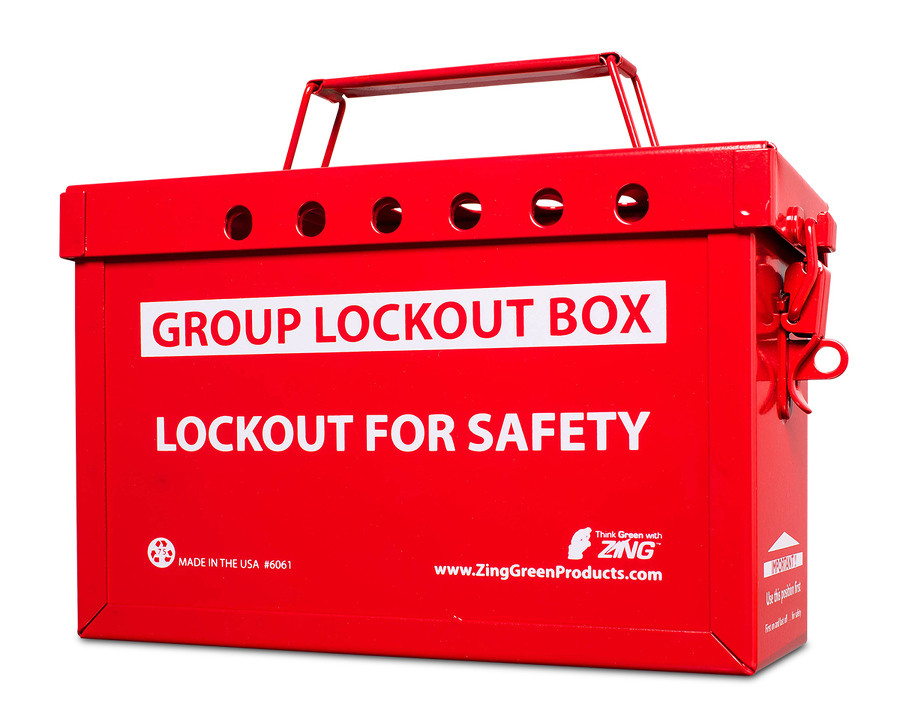
Group lockout basics:
- Use a lockbox or hasp system
- Each authorized employee applies their personal lock
- A primary authorized employee may apply locks to isolation points, then place keys in a lockbox
- Each worker applies their lock to the lockbox
Rules:
- No one may remove another person’s lock
- Equipment cannot be re‑energized until all locks are removed
- Clear communication is required when crews change
Group lockout is critical for shutdowns, major repairs, and contractor work.
8. Manage Shift Changes and Personnel Changes
LOTO failures often happen during shift changes or when employees leave the site.
Your program should define:
- How locks are transferred between authorized employees
- How information is communicated between shifts
- What happens if an employee forgets to remove their lock
Typical process for forgotten locks:
- Verify the employee is not on site
- Make reasonable efforts to contact them
- Inspect the equipment to ensure it is safe to re‑energize
- Remove the lock under a written procedure and management authorization
- Notify the employee before they resume work
This prevents unsafe “shortcut” practices like cutting locks without a process.
9. Address Contractors and Outside Personnel
Contractors often bring their own procedures and expectations. Your program must coordinate with them.
Key elements:
- Inform contractors of your LOTO procedures and expectations
- Determine whether they will use your locks, their own, or both
- Ensure mutual understanding of:
- Who controls the equipment
- How group lockout will be managed
- How communication will occur before re‑energizing
Your host employer responsibilities should be clearly documented and aligned with your EHS Management System.
10. Establish Periodic Inspections and Program Audits
OSHA requires annual inspections of energy control procedures, but effective programs go further.
Annual procedure inspections:
- Conducted by an authorized employee other than the one using the procedure
- Include:
- Observation of the procedure being performed
- Review of each step with the employee
- Verification that employees understand their responsibilities
Program‑level audits:
- Review:
- Training records
- Incident and near miss data
- Compliance with documentation requirements
- Adequacy of procedures for new or modified equipment
Use findings to:
- Update procedures
- Improve training
- Correct recurring issues
- Strengthen supervision and accountability
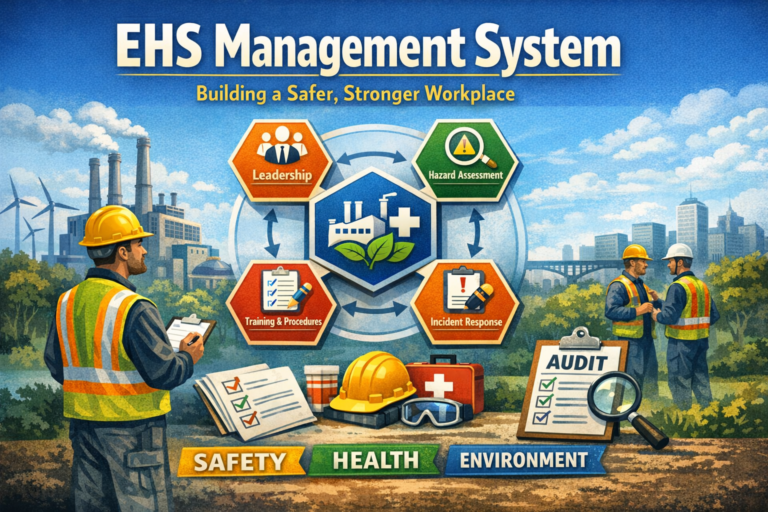
This is an important aspect of the EHS management system cycle. More information can be found here What Is an EHS Management System? Building Safer Workplaces.
11. Integrate LOTO into JHAs and Daily Workflows
LOTO should not live in isolation—it should be embedded in how work is planned and performed.
Integration points:
- Include LOTO steps in Job Hazard Analyses (JHAs)
- Reference specific LOTO procedures in work orders
- Require LOTO verification during pre‑task briefings
- Use the JHA Builder Tool to prompt LOTO where applicable
This makes LOTO part of the normal workflow, not a separate “extra step.”
12. Common LOTO Mistakes and How to Avoid Them
Even with a written program, certain patterns show up again and again.
Frequent issues:
- Relying on tags without locks
- Not verifying zero energy (no try‑start, no test)
- Incomplete machine‑specific procedures
- Using one lock for multiple people
- Poor control of keys
- No clear process for shift changes
- Contractors operating under different rules
How to address them:
- Use incident and near miss investigations to identify gaps
- Reinforce expectations through training and coaching
- Conduct focused audits on high‑risk equipment
- Share lessons learned across departments
13. Building a Culture That Respects LOTO
The best LOTO program in the world fails if people treat it as optional.
Culture drivers:
- Supervisors consistently enforce LOTO requirements
- Leaders support employees who stop work for safety
- Shortcuts are not tolerated, even under production pressure
- Employees are recognized for doing LOTO correctly
- Near misses are reported and used for learning, not blame
The Complete Guide to Building a Strong Safety Culture
Conclusion
A Lockout/Tagout program is more than a set of locks and tags—it’s a structured system for controlling hazardous energy and protecting people during some of the most dangerous work they perform. When you:
- Identify all energy sources
- Write clear, machine‑specific procedures
- Train and empower authorized employees
- Manage group lockout, contractors, and shift changes
- Inspect and improve the program regularly
…you create a LOTO program that employees trust and actually use.
If you are looking for OSHA’s LOTO requirements, click here.