This section organizes all Safety‑365 content into clear, easy‑to‑navigate categories so you can quickly find the guidance, tools, and resources that matter most to your work. Each category contains focused articles, templates, and practical safety insights designed to help you strengthen your programs, solve real workplace challenges, and build a safer environment one topic at a time.
Categories
What’s New on Safety-365
-
Leadership in EH&S: Building a Safety-First Culture
Leadership in EH&S isn’t about balancing safety with production — it’s about making safety the non‑negotiable foundation of how work gets done. This guide breaks down the five pillars of true safety leadership and shows how executives, supervisors, and workers can build a culture where the right choice is always the easy choice.
-
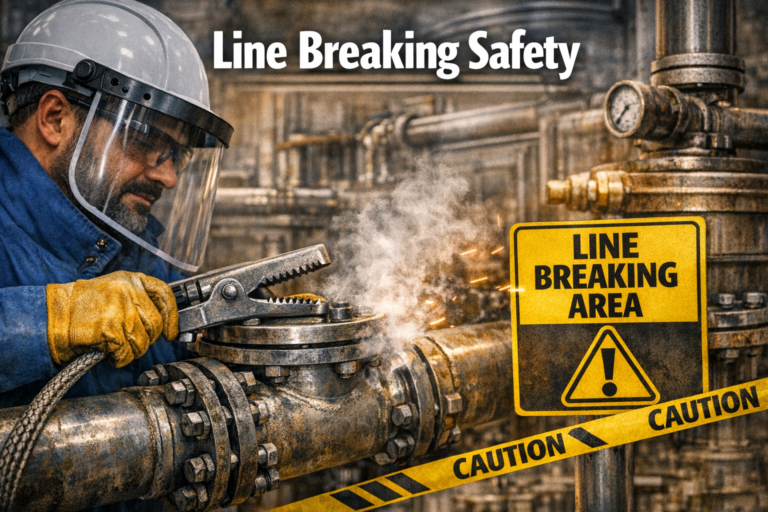
Line Breaking: The Hidden Danger That Keeps Me Up at Night
Line breaking is one of the most hazardous tasks in maintenance and operations — a single mistake can release toxic chemicals, high‑pressure steam, or flammable vapors. This guide walks you through the essential steps for safely opening process lines, isolating energy sources, and verifying zero energy before work begins. You’ll learn how to plan, prepare, and execute line breaks using proven EHS procedures that protect workers and prevent catastrophic incidents.
-
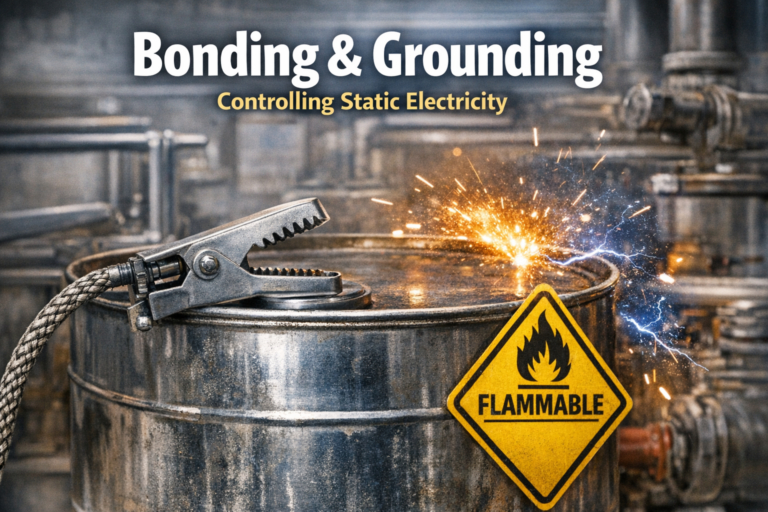
Bonding and Grounding: Your Complete Guide to Controlling Static Electricity in the Workplace
Static electricity is one of the most underestimated ignition sources in the workplace — invisible, silent, and capable of triggering catastrophic fires or explosions in an instant. Bonding and grounding are your first line of defense. In this guide, you’ll learn how static charges form, why they become dangerous, and the exact steps needed to control them through proper bonding, grounding, equipment selection, and verification. Whether you’re transferring flammable liquids, maintaining process equipment, or managing combustible dust, this article gives you the practical, real‑world approach needed to keep your facility safe.
-
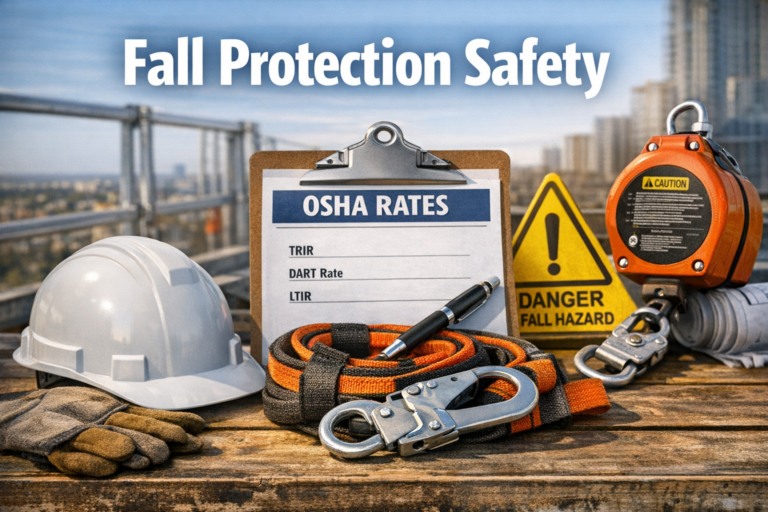
Fall Protection: Keeping Workers Safe at Heights
Falls remain one of the leading causes of workplace fatalities, yet many organizations still struggle with proper fall protection implementation. This comprehensive guide walks you through everything EH&S professionals need to know about keeping workers safe at heights—from eliminating fall hazards entirely to selecting and maintaining personal fall arrest systems. Learn the critical math behind fall clearance calculations, discover why fall protection training often fails (and how to fix it), understand suspension trauma and rescue planning, and explore real-world scenarios with practical solutions. Whether you’re working with guardrails, safety nets, or personal fall arrest equipment, this article provides actionable insights based on years of field experience. Move beyond basic compliance to build a workplace culture where every worker who goes up comes down safely.
-
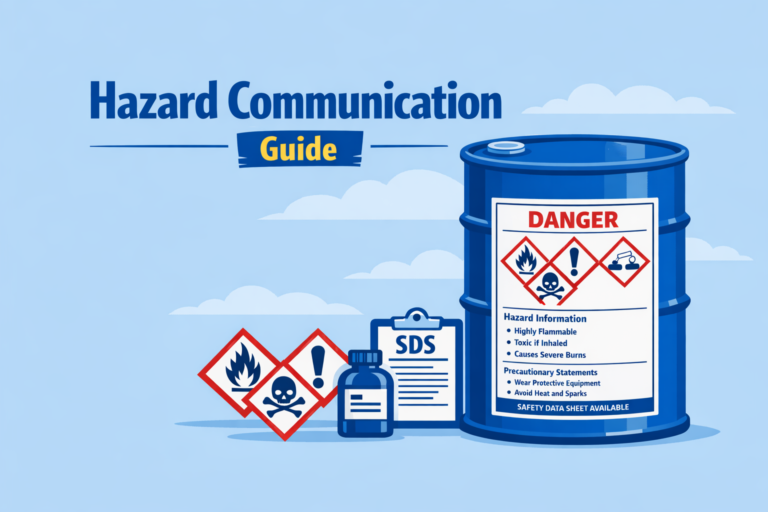
The EHS Leader’s Guide to Building a Compliant Hazard Communication Program
A strong Hazard Communication Program is essential for protecting employees from chemical hazards and meeting OSHA’s 1910.1200 requirements. This comprehensive guide explains how to build a compliant HazCom program, manage SDSs, maintain chemical inventories, implement GHS labeling, and train employees effectively.
-
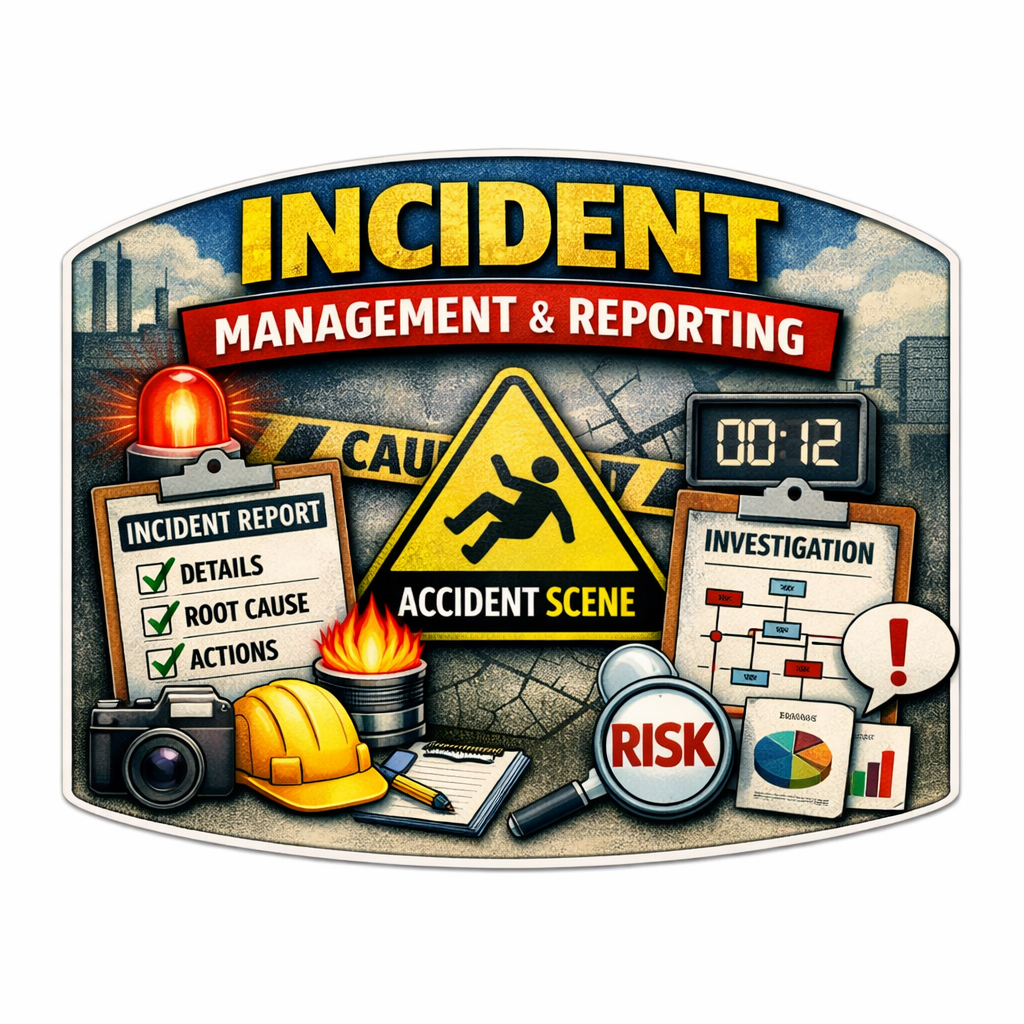
Incident Reporting: Why Employees Don’t Report — and How to Fix It
Incident reporting is one of the most powerful tools in workplace safety — yet most organizations struggle with underreporting, incomplete reports, and inconsistent follow‑through. This comprehensive guide explains why employees don’t report incidents, how to build a reporting culture, and the systems every employer needs to improve safety outcomes.